How to Get Rid of Fungus Gnats
By Trent Mobley, ACE (Associate Certified Entomologist)
Published Updated
Effective Pest Control for Houseplants
The Annoying Flies Around Your Houseplants
Fungus gnats may be small, but they can be a big problem for homeowners with indoor plants. These tiny flies thrive in overwatered soil and can quickly become a nuisance when they multiply inside your home. If you’ve noticed gnats buzzing around your houseplants, near windows, or even around your computer screen, you’re not alone. Learn how to get rid of fungus gnats and protect your indoor plants with the right prevention and treatment methods.
What Do Fungus Gnats Look Like?
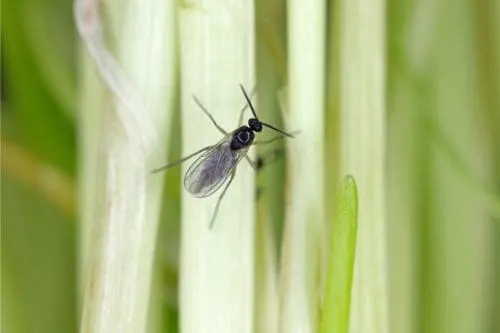
Fungus gnats are tiny, dark-colored flies with long antennae and slender legs, measuring about 1/10 inch in size. Though they resemble mosquitoes, they are much smaller. Their larvae, which are white with dark heads, thrive in damp conditions and feed on organic matter, fungi, and plant roots, potentially slowing plant growth.
Where Do Fungus Gnats Come From?
These pests often appear in homes when conditions favor their growth. Common causes of fungus gnat infestations include:
- Overwatered houseplants with moist soil
- Poorly drained potting mix or organic-rich soil
- Excessive humidity or poor air circulation
- Decaying plant matter or mold growth
By understanding their breeding conditions, you can take proactive steps to eliminate fungus gnats before they become a larger problem. For persistent indoor pests, see our quarterly plan pest control pricing.
How to Get Rid of Fungus Gnats: Prevention & Treatment
1. Dry Out the Soil
The best way to prevent fungus gnats is to reduce excess moisture in plant soil. Try these steps:
- Allow the top two inches of soil to dry completely before watering again.
- Avoid overwatering plants and use pots with proper drainage holes.
- Clean excess water from saucers underneath potted plants.
2. Improve Air Circulation
Fungus gnats thrive in humid environments. Increase airflow to help dry out soil faster:
- Place plants near a ceiling fan, air vent, or dehumidifier.
- Trim dense foliage to promote better ventilation around plant roots.
3. Remove Organic Debris
Gnats breed in decomposing organic material. Keep your plant environment clean by:
- Removing dead leaves, mulch, and excess organic debris from plant pots.
- Using sterile, high-quality potting mix to reduce organic matter that attracts gnats.
4. Use Natural Remedies & Traps
For minor infestations, DIY fungus gnat traps can help catch adult gnats:
- Apple cider vinegar trap: Mix apple cider vinegar and dish soap in a small container near plants.
- Sticky traps: Place yellow sticky traps near plant pots to capture adult gnats.
- Sand or gravel barrier: Cover the top layer of soil with coarse sand or perlite to prevent egg-laying.
5. Professional Fungus Gnat Control Services
If you’ve tried these solutions and still have a fungus gnat problem, professional pest control can help. At Berner Pest Solutions, we offer:
- Targeted treatments to eliminate adult fungus gnats.
- Moisture control strategies to prevent future infestations.
- Expert recommendations tailored to your home and plants.
Professional Pest Control for Fungus Gnats in Lexington, KY
If you can’t seem to get rid of fungus gnats in your home, Berner Pest Solutions is here to help. We proudly serve Lexington, Winchester, Nicholasville, Versailles, Georgetown, Midway, and Richmond with expert pest control solutions for houseplants and indoor spaces. Want to learn more? Check out the University of Kentucky Dept. of Entomology article on fungus gnats and other houseplant pests.
📞 Contact us today for a free quote and say goodbye to fungus gnats for good!